
When Survival Turns Into Responsibility
It is widely understood that surviving a life-threatening experience changes a person completely. Whether welcomed or not, that change settles in. The real questions often come later, when life slows down, and no one is watching. What do you do with whom you have become? Do you move through the change, or do you let it break you?
For Lisa Crites, surviving cancer never felt like crossing the finish line. There was no clear sense of arrival and no clean division between before and after. What followed instead was a quiet awareness that refused to fade. She recovered with grace, yet her attention stayed with the patients around her, many of whom were still fighting battles she had already endured.
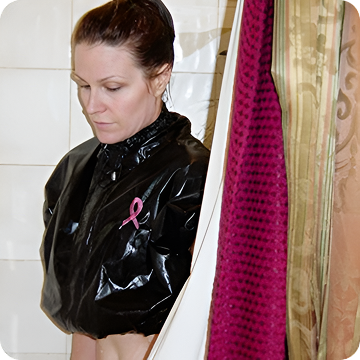
What she noticed went beyond inconvenience. The absence of proper post-surgical garments revealed something deeper about how easily patient comfort is overlooked once efficiency takes priority. These were not dramatic failures of care. They were subtle ones. The kind that persists because they have become normalized, worked around, and rarely questioned.
Once Lisa saw this, she could not unsee it. And she chose not to look away.
Beautifully Unbroken captures that shift, from simple gratitude for survival to a growing sense of responsibility to pay attention. Not in a heroic or performative way, but as a steady awareness that something was wrong and deserved to be acknowledged. Lisa did not set out to disrupt a system. She simply could not accept that dignity needed to be sacrificed in the process of healing.
The creation of The Shower Shirt™ came with a steep learning curve. There were unfamiliar systems, setbacks, and moments of real doubt. Lisa does not soften those edges in her telling. She is honest about how slow and frustrating it can be to transform a personal experience into something that might serve others. Pain does not automatically become purpose. It must be carried, examined, and lived with longer than expected.
What gives her story its strength is restraint. Lisa never claims exceptional insight or uncommon resilience. Instead, she shows the power of paying attention to discomfort and resisting the urge to minimize it simply because it is inconvenient. Growth does not begin with certainty or confidence. It begins with noticing what feels wrong and deciding that it matters.
One person’s recovery became a solution for others, not because she intended to fix a system, but because she honored what her own healing revealed. Sometimes change happens this way. Quietly. Gradually. Through a willingness to stay present and respond honestly, even when it would be easier not to.